
Hi there, and welcome to the PPP Observer Newsletter. This newsletter keeps track of developments, news and insights in the PPP domain. Don't worry, it is not written with AI, but by an actual person.
My name is Jan-Willem Middelburg, and I have been involved with PPPs for over a decade. I was the first certified trainer in for the World Bank / APMG certification progam, and I mainly focus on PPP Framework development.
The reason I called the Newsletter the PPP Observer is because I frequently observer things in my project that can be done better or improved, and I would like to share that with other PPP professionals.
The world of PPPs is small and it is a close community. Through this newsletter, I hope to also connect with new PPP practicitioners. So if you have a question or topic you would like to see covered, do not hesitate to reach out to me.
Kind regards,

PPP Concept of the Week
Every week, we cover a new concept to to learn something about PPPs. Some topics are easy, some a little more advanced. This week's concept is:
Articles of Association: The document that sets out the purpose of the special purpose vehicle (SPV) and the rules governing how the SPV’s office holders will run it.
Hope you learned something new with the world.
Best Practices for Unsollicted Proposal
This week, I have been conducting research for best practices in unsolicted proposals.
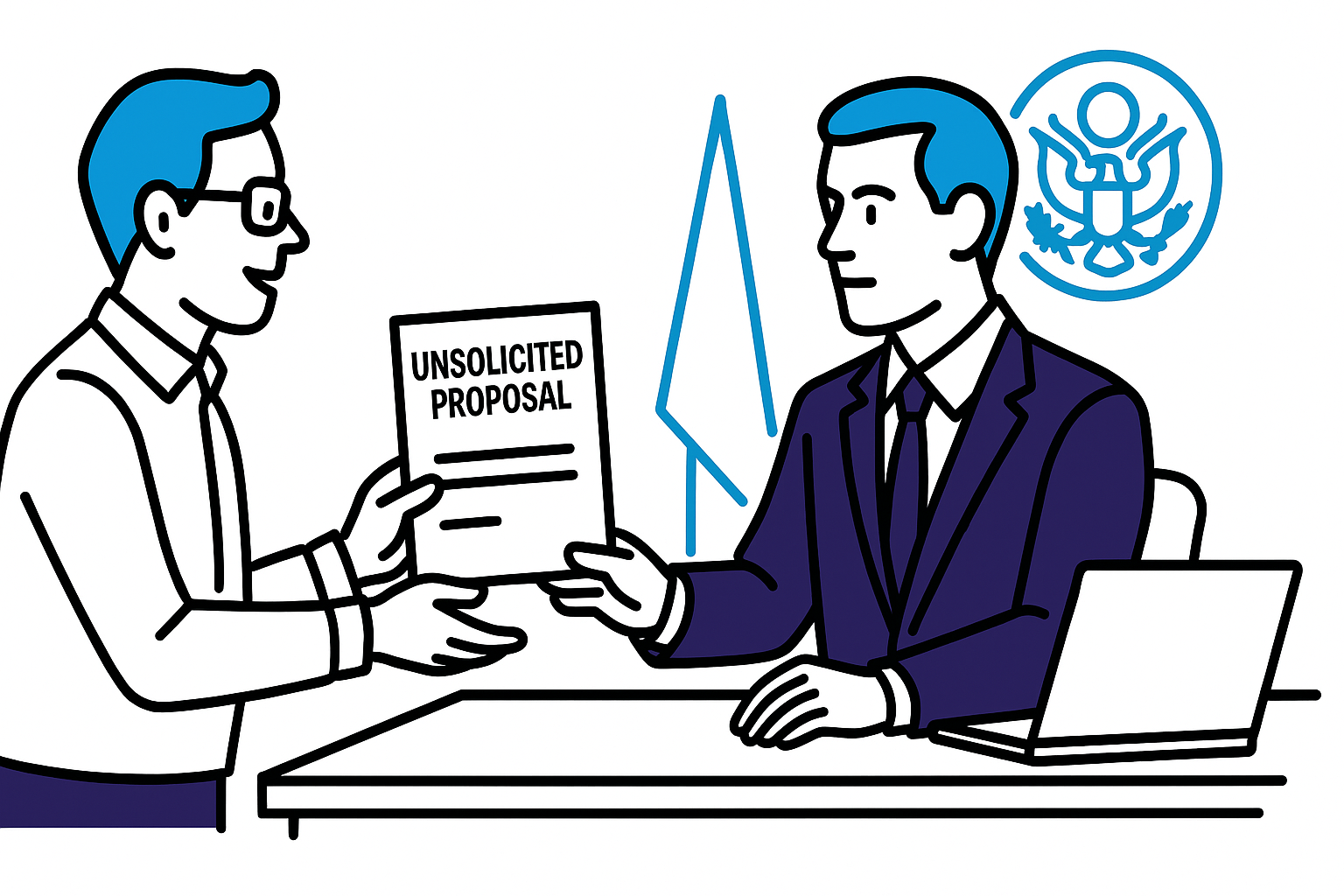
Unsolicited proposals (USPs) are privately initiated Public-Private Partnership project proposals made without a public-sector request. In a USP, a private sponsor identifies and develops a project concept and offers it to government, rather than responding to a government tender.1 Such proposals may arise when governments face gaps in technical or financial capacity, need innovation, or have urgent infrastructure needs. Allowing USPs can help “not miss any opportunity to develop infrastructure”. However, USPs often pose risks: they can divert resources from official plans, skew value-for-money, and invite perceptions of unfairness or corruption. For example, many USPs have ended up linked to allegations of patronage or poor project outcomes (e.g. cost overruns or quality issues) when governance is weak. These concerns make it essential for governments to have clear legal frameworks and procedures to manage USPs.
Read the full research article here


Responses